Whether you’ve spent time around the BMW performance community or simply been researching ECU tuning, you’ve probably come across terms like Flex Fuel, E50 and Full E85.
For many enthusiasts, the terminology can be confusing. Is Flex Fuel simply filling the tank with E85? Does it really make more power? Is it suitable for a daily-driven BMW?
The answer is yes-when it’s done properly.
Modern turbocharged BMW engines like the S58 respond exceptionally well to ethanol-based fuels. Combined with the correct supporting hardware and professional ECU calibration, Flex Fuel offers one of the biggest performance gains available while maintaining the drivability expected from a street-driven car.
What Is Flex Fuel?
A Flex Fuel system allows your BMW to automatically adjust its engine calibration based on the ethanol content in the fuel tank.
Instead of being locked to a single fuel type, the ECU continuously measures the ethanol percentage and automatically adjusts ignition timing, boost pressure and fuel delivery to suit.
This means you can safely fill your car with:
- 98 Octane
- E30
- E50
- Full E85
- Or almost any blend in between
without needing to change maps or reflash the ECU every time you visit the fuel station.
For many owners, that flexibility is just as valuable as the additional performance.
Why Does E85 Make More Power?
Ethanol has a significantly higher resistance to knock than conventional premium unleaded fuel.
That allows the engine to safely run:
- More ignition timing
- Higher boost pressure
- Cooler combustion temperatures
The result is increased horsepower, more torque and a broader, stronger powerband.
On modern BMW turbocharged engines like the S58, the difference is substantial.
Flex Fuel vs Full E85
One of the most common misconceptions is that Flex Fuel and Full E85 are the same thing.
They aren’t.
A Flex Fuel package allows the vehicle to safely adapt to varying ethanol blends while retaining the convenience of filling up with either 98 Octane or ethanol whenever required.
Moving to Full E85, however, is much more than simply changing fuel.
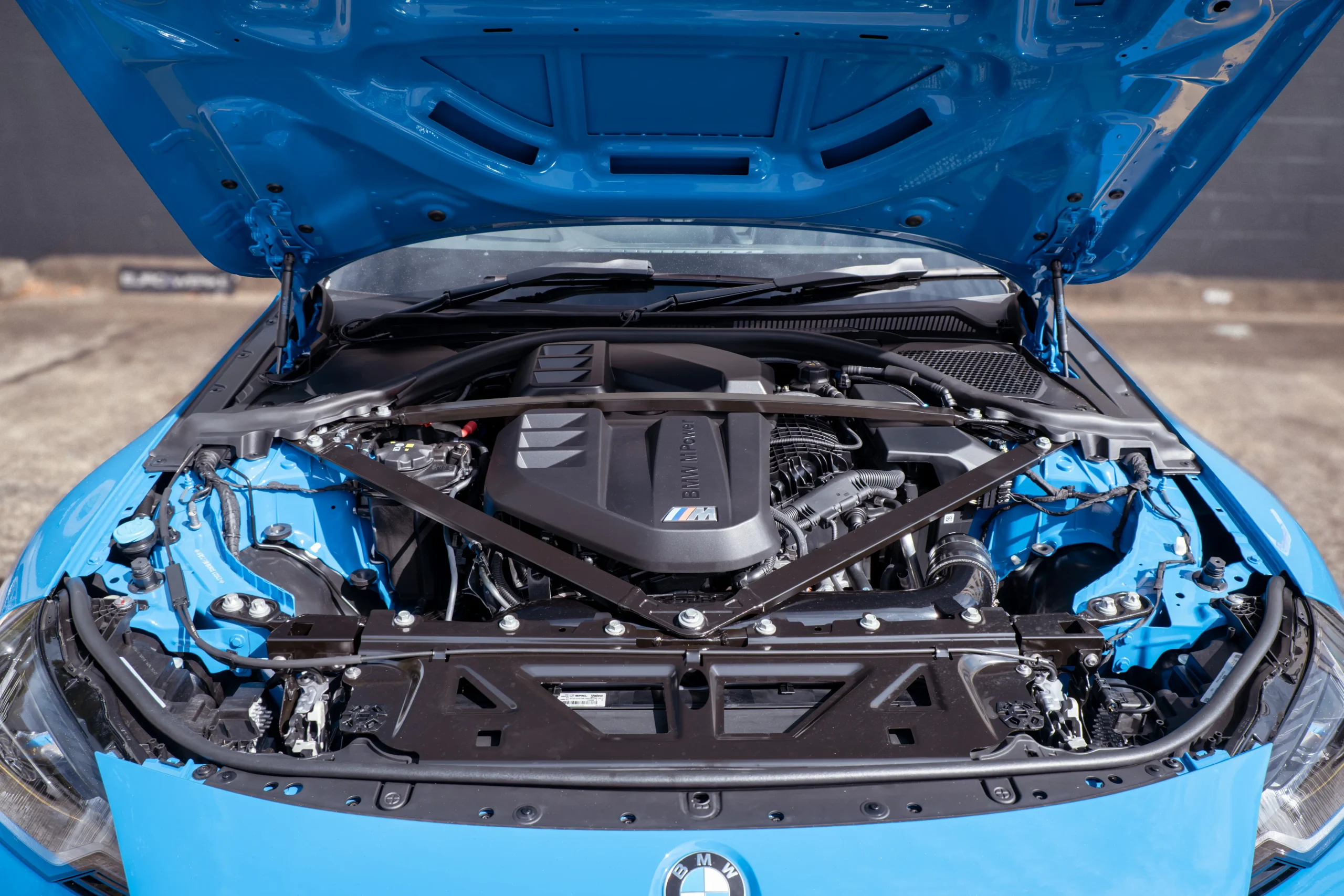
Because ethanol requires significantly more fuel volume than petrol, additional fuel system upgrades are required to safely support the increased demand.
Depending on the vehicle and desired power level, these upgrades may include:
- Upgraded injectors
- Port Injection
- Fuel pressure monitoring
- Flex Fuel sensor integration
- Professional ECU calibration
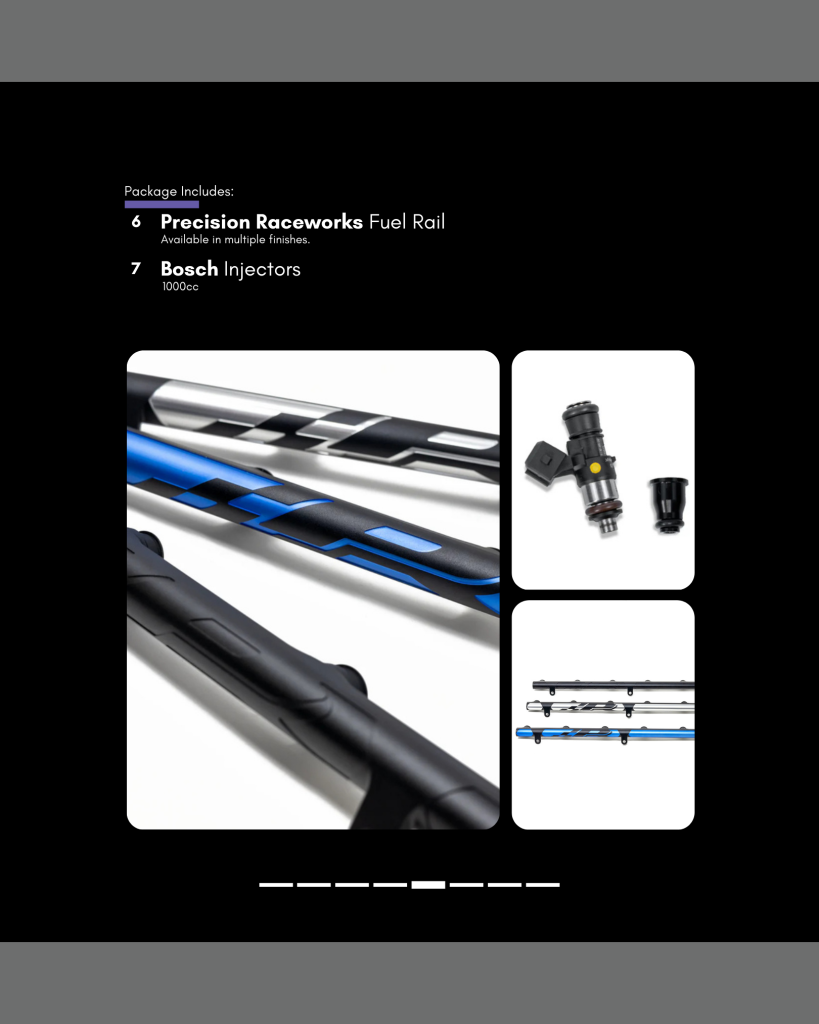
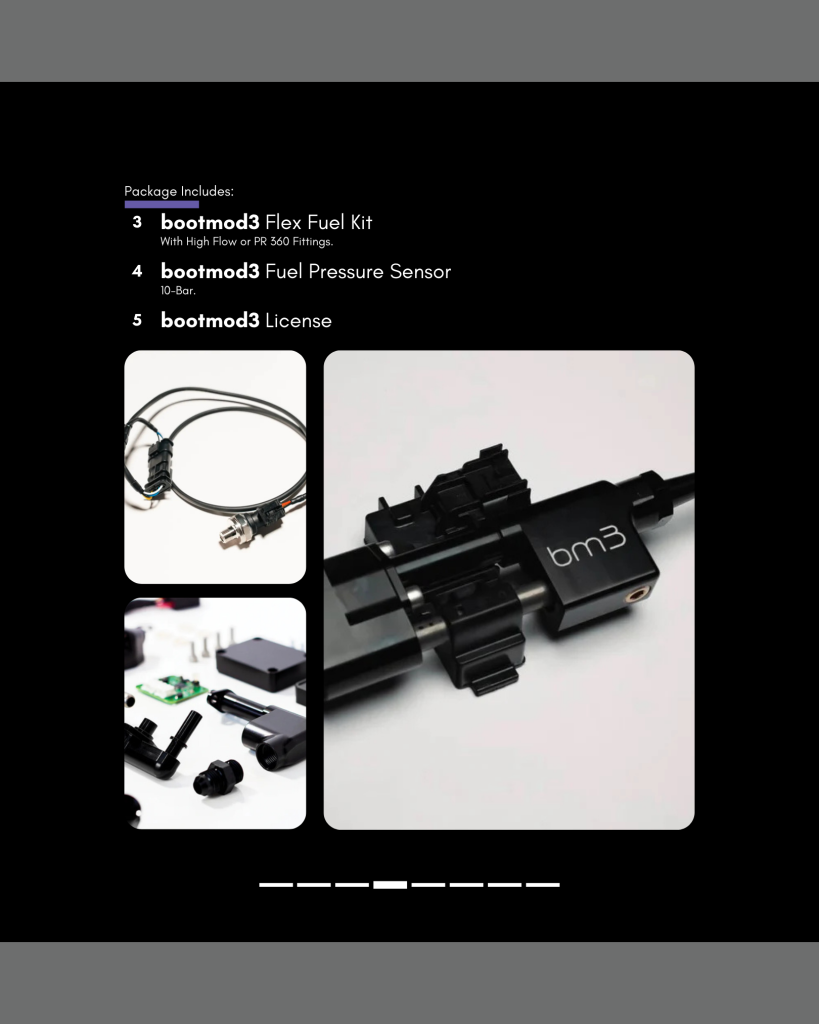
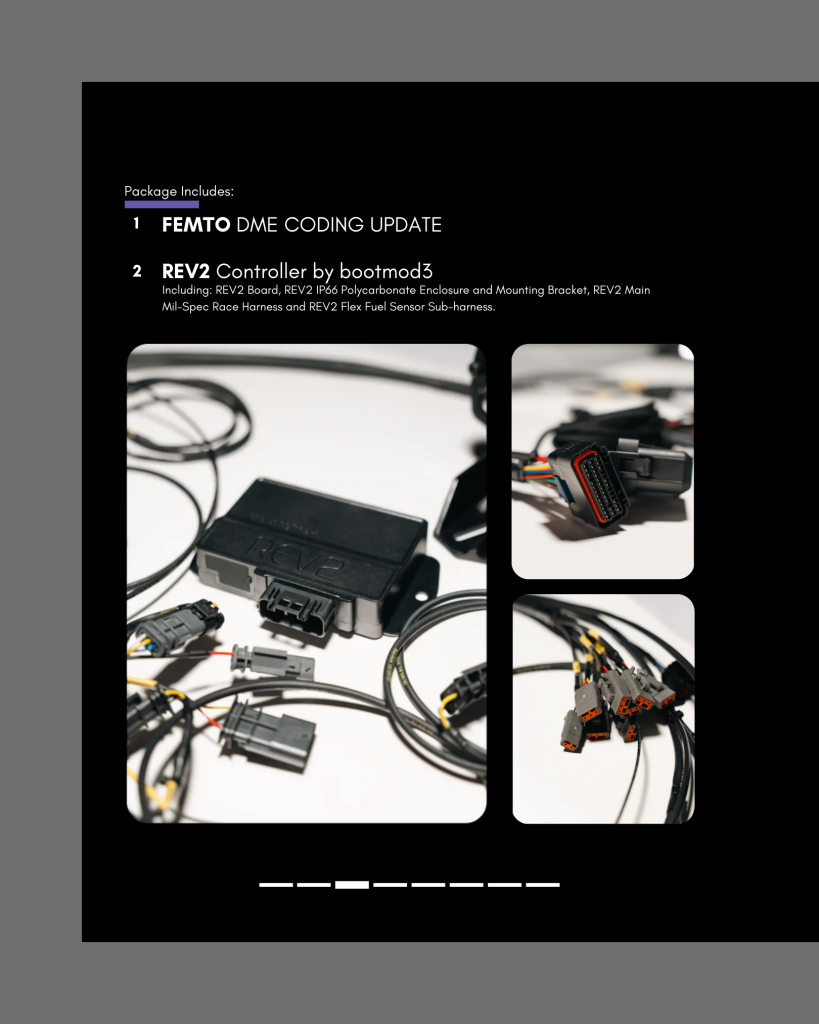
Simply pouring E85 into a standard fuel system isn’t enough. The supporting hardware is every bit as important as the fuel itself.
A Real-World Example
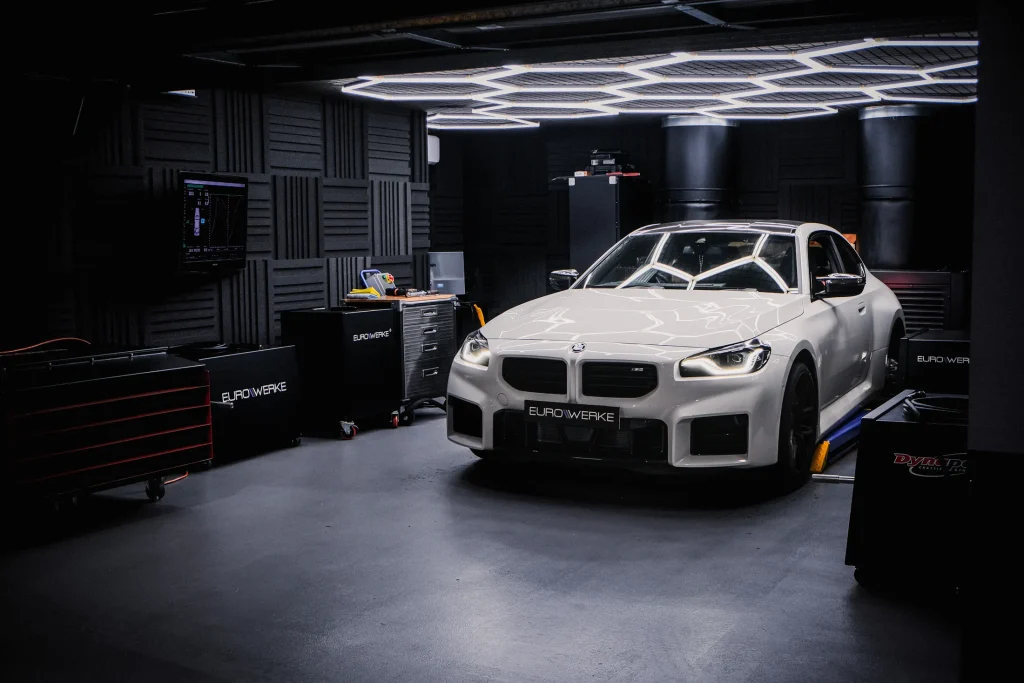
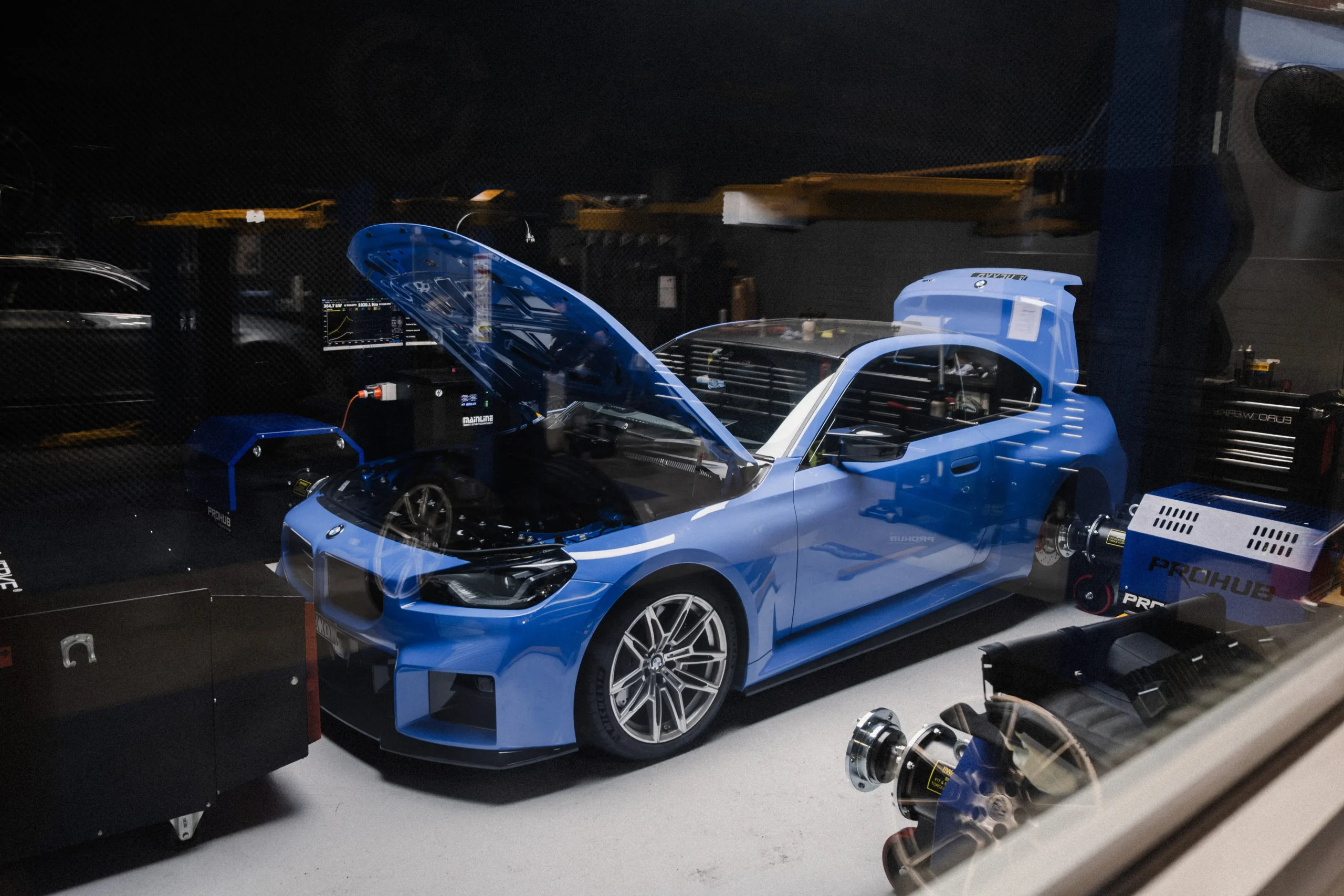
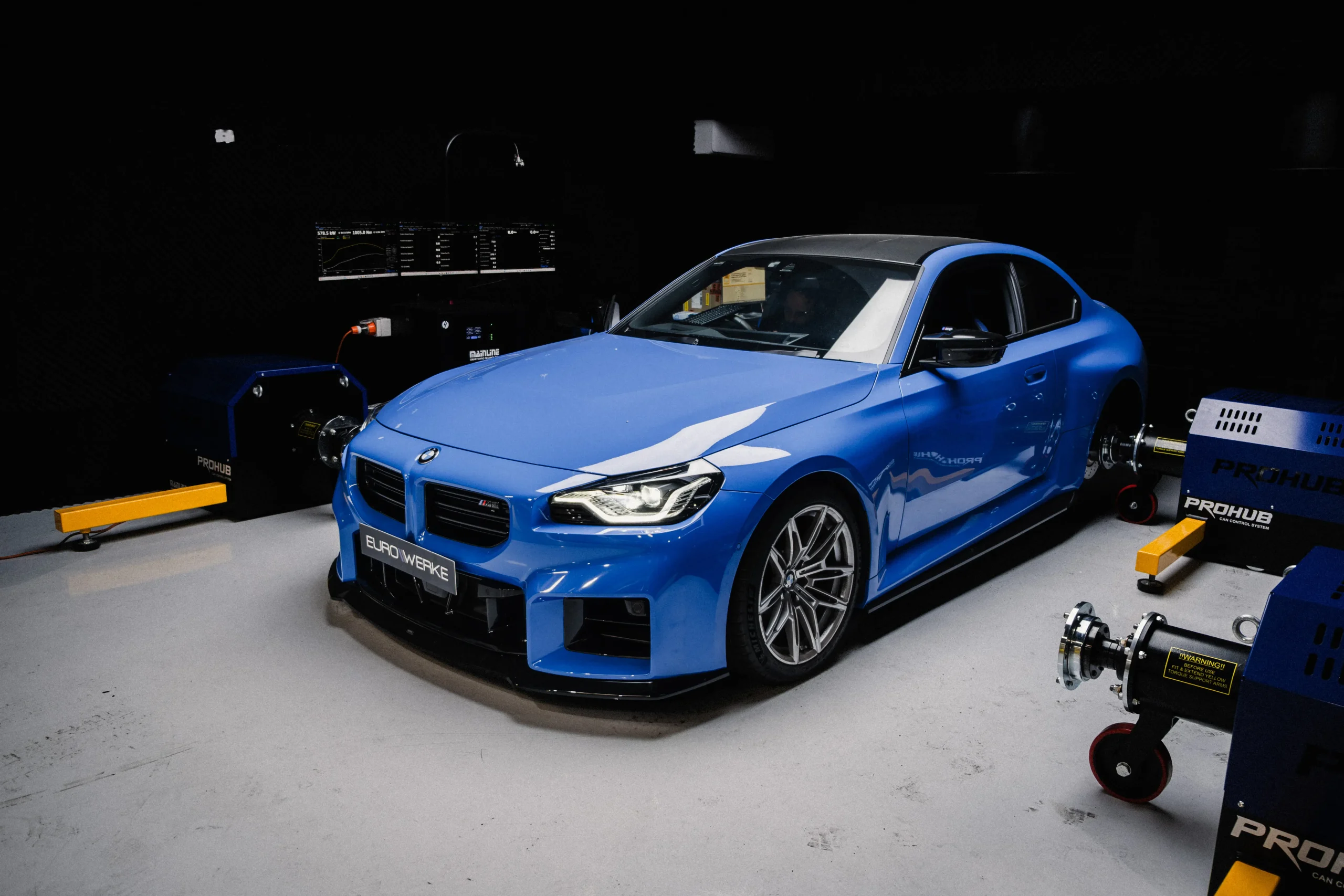
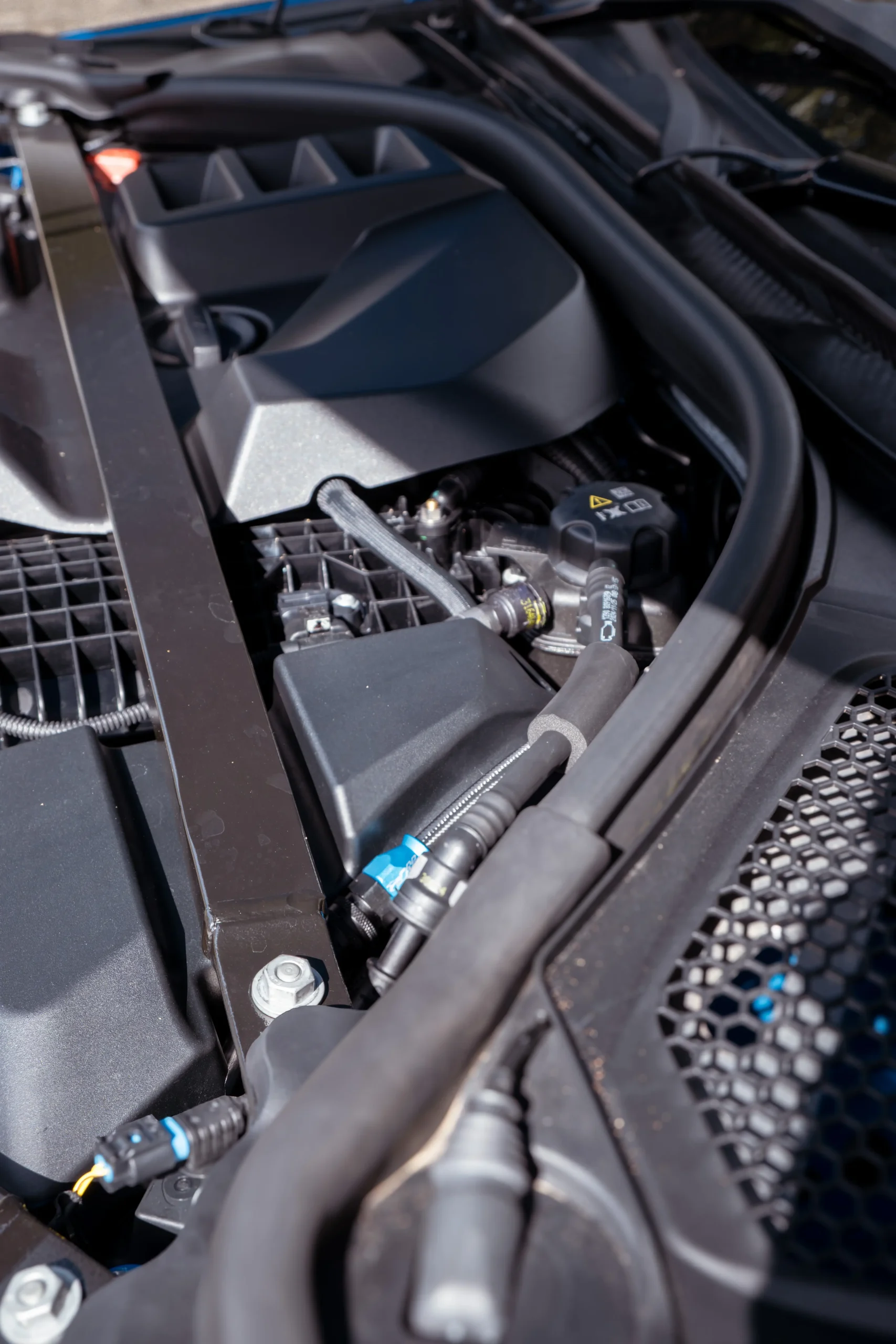
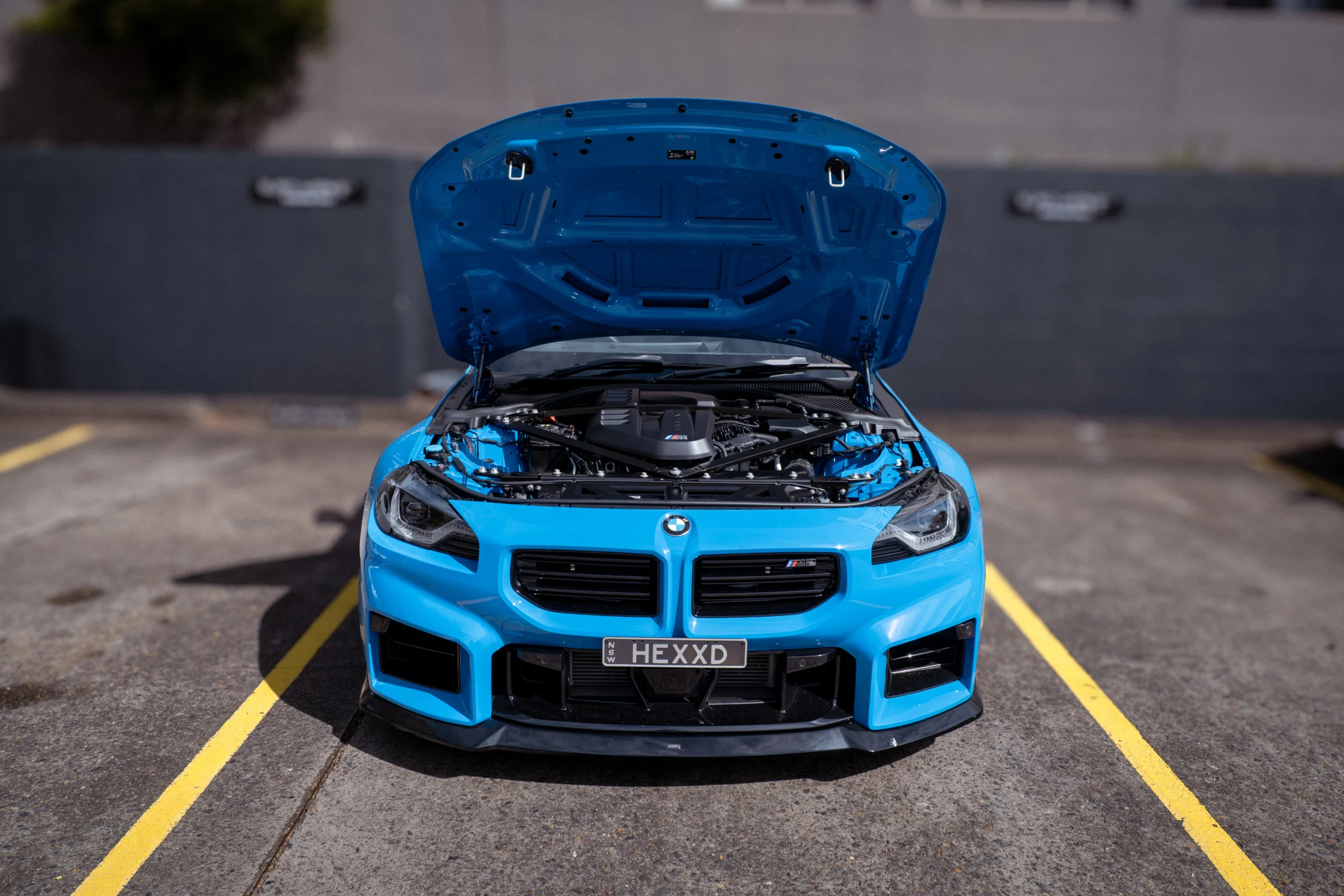
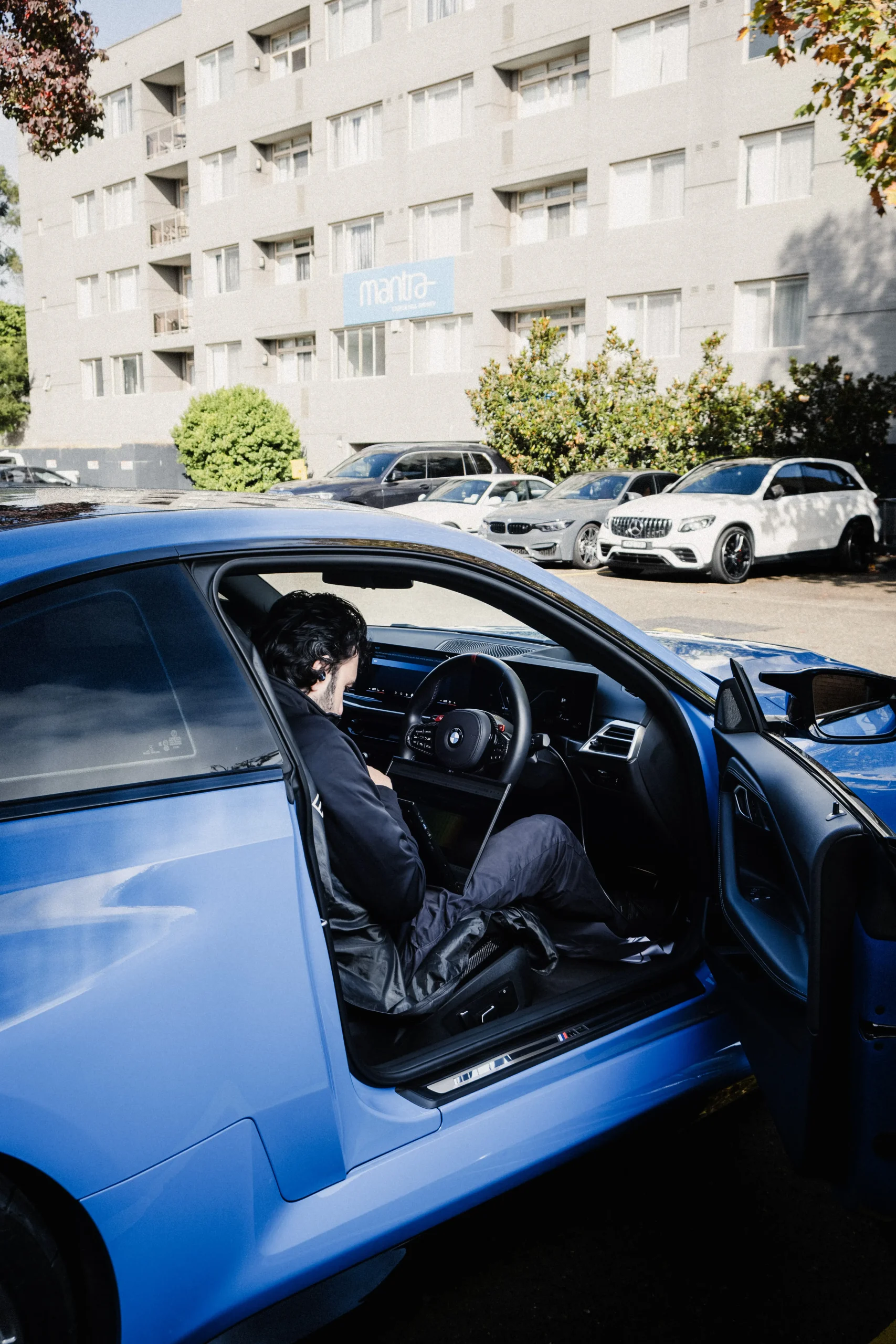
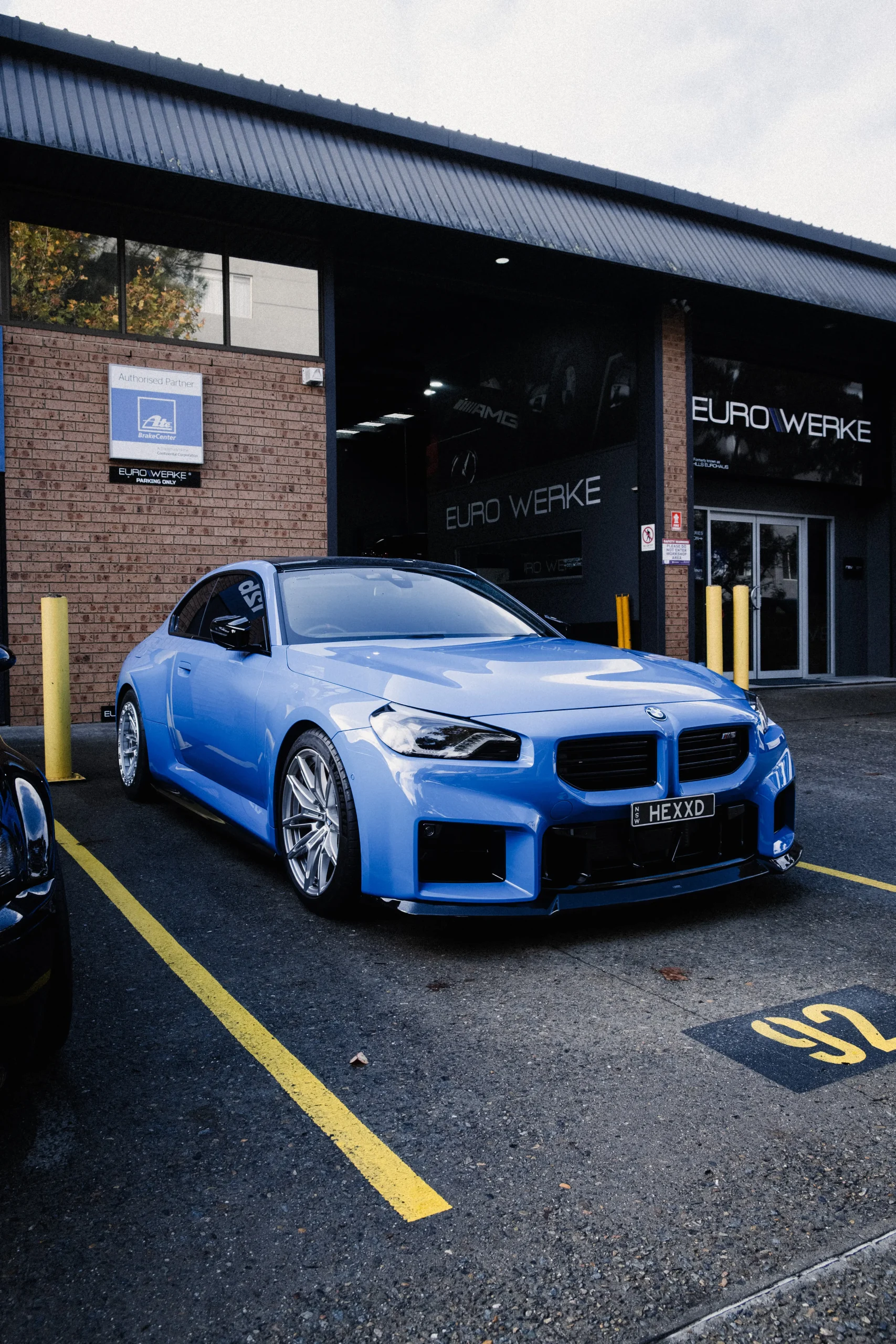
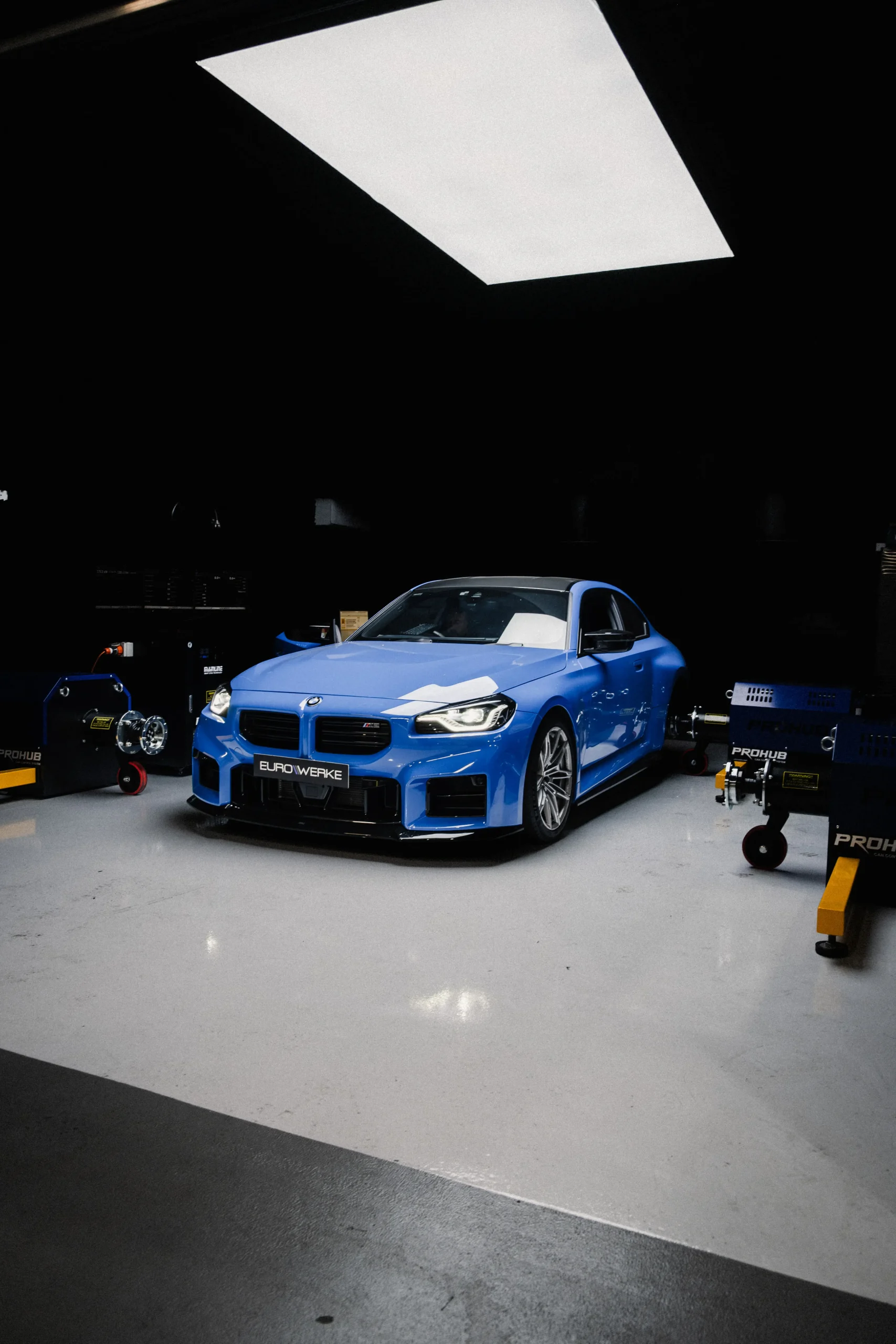
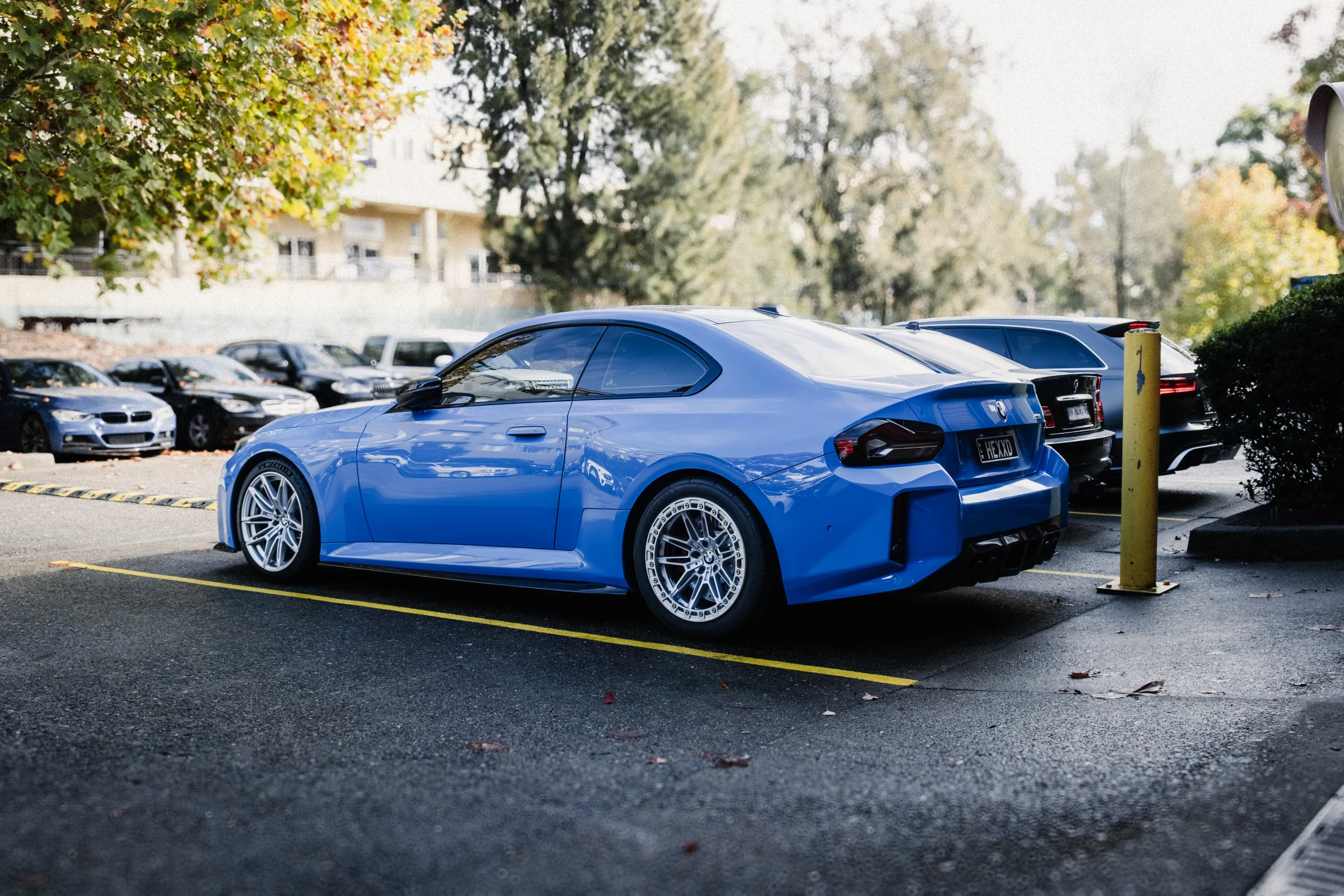
One of the best examples is Vanessa’s BMW G87 M2 LCI, which has been developed at Eurowerke over two stages.
The first stage introduced our Flex Fuel package, allowing the vehicle to automatically adapt between premium unleaded and ethanol blends while delivering significant gains over the factory calibration.
| Fuel | Power | Torque |
| 98 Octane | 473kW | 810Nm |
| E50 Flex Fuel | 559kW | 969Nm |
After enjoying the Flex Fuel package, Vanessa returned to take the build one step further.
Rather than simply increasing boost, the car received the supporting hardware required to safely transition to Full E85, including:
- bootmod3 REV2 Controller
- bootmod3 10 Bar Fuel Pressure Sensor
- Precision Raceworks Port Injection
- Bosch 1000cc Injectors
- Additional custom ECU calibration
The result?
| Fuel | Power | Torque |
| Full E85 | 591kW | 1,048Nm |
Compared to the factory calibration, that’s an increase of 240kW and 433Nm, while retaining the drivability expected from a street-driven BMW M2.
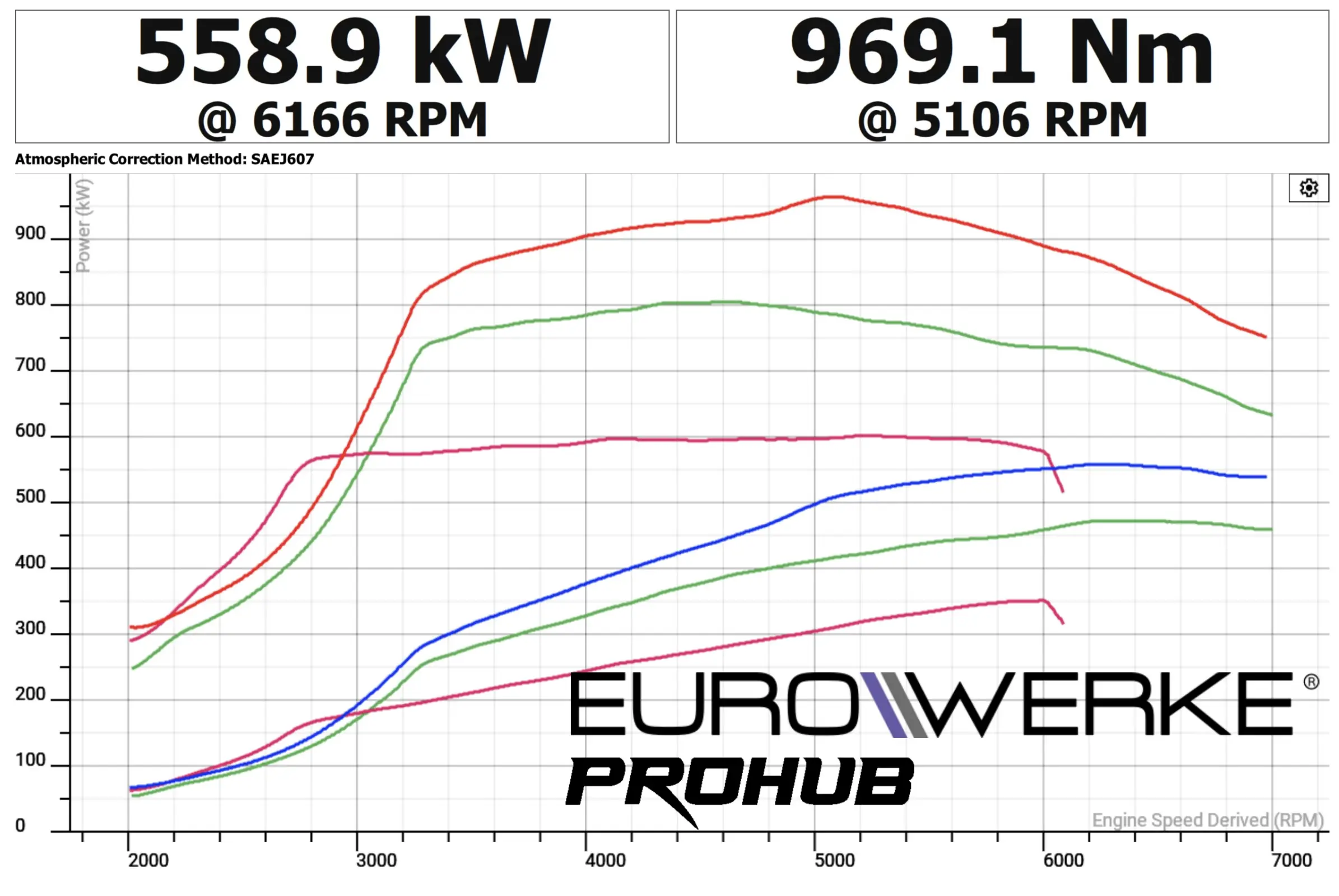
The Dyno Graph Tells the Story
While the peak figures are impressive, the dyno graph reveals something even more important.
As the ethanol content increases, the entire power and torque curves continue to climb-not just at peak RPM, but throughout the entire rev range.
Torque builds rapidly through the mid-range before exceeding 1,000Nm, while power continues climbing all the way to redline.
The result isn’t simply a car with a bigger peak dyno number-it’s a car that feels significantly stronger every time you accelerate.
Is Flex Fuel Right for Your BMW?
For many enthusiasts, Flex Fuel offers the best of both worlds.
Drive on 98 Octane during the week.
Fill up with ethanol before a spirited weekend drive, track day or drag event.
The ECU automatically adapts to the available fuel, delivering the best possible performance without requiring multiple maps or manual intervention.
Whether your goal is improved drivability, increased performance or building a foundation for future upgrades, Flex Fuel remains one of the most effective modifications available for modern turbocharged BMWs.
Thinking About Flex Fuel?
If you’d like to learn more, get in touch-we’re always happy to talk performance.
Whether you’re considering your first ECU tune, a Flex Fuel upgrade or a complete Full E85 conversion, the Eurowerke team can help you choose the right solution for your vehicle.
Every BMW is different, and the right package depends on your goals, existing modifications and intended use.
Want Performance Modifications & Upgrades?
Get your car running better than it ever has with customised performance modifications to suit your liking. Our skilled mechanics can work from the simplest rewiring to an all-out engine upgrade. We use only top-of-the-line parts in all of our modification services. Big or small, we’ve got you covered.
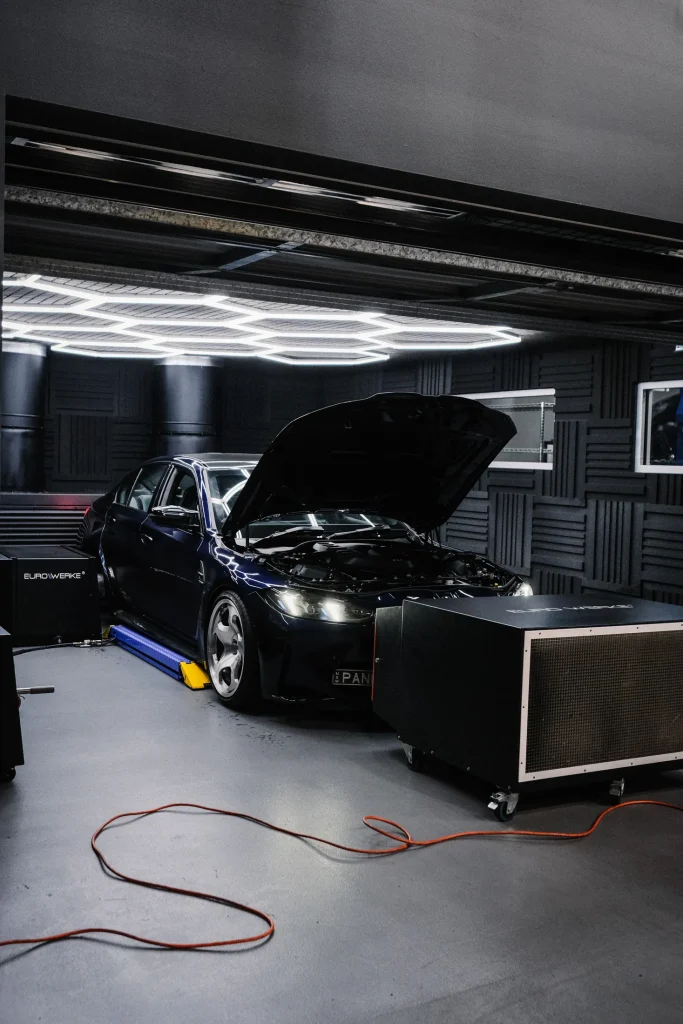
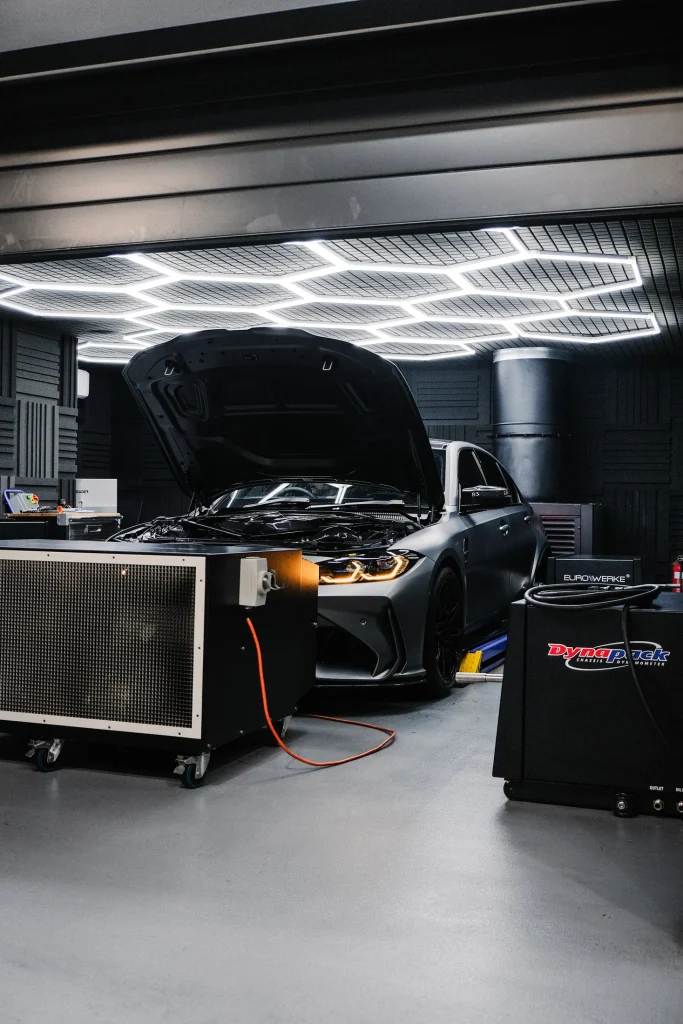
Our in-house dynamometer ensures you get speedy service as well as accurate before and after readings with every modification done.